

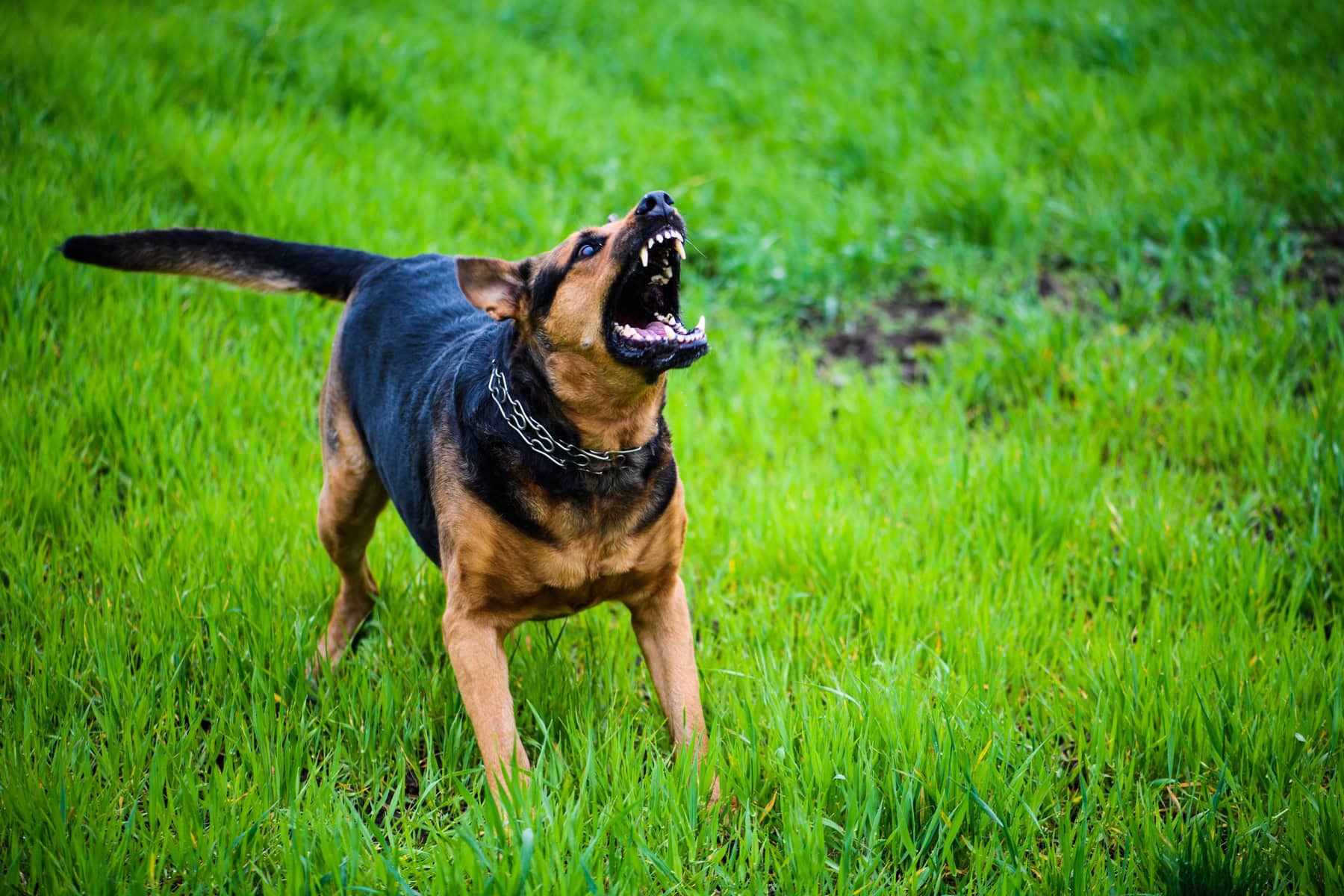
A dog attack can happen in seconds. The injuries can last for months. If a dog bit you or your child in Austin, you may already be searching for an Austin dog bite lawyer. You want to know your legal options. Texas law gives bite victims a real path to compensation, but it works differently than many people expect. We’re LGR Law Firm, a personal injury firm founded in 2010, and our attorneys are licensed to practice across Texas. This page covers how Texas dog bite law works, who can be held liable, the steps to take after an attack, and when to call a lawyer.
How Texas Dog Bite Law Works: The One Bite Rule
Texas does not have a law that makes a dog owner pay for every bite. Instead, Texas courts use a negligence standard. People often call this the “one bite rule.”
Texas courts hold that an owner can be liable for an animal’s injuries if the owner knew, or should have known, the animal was dangerous. The name is a bit misleading. A dog does not need to have bitten someone before. Growling, snapping, lunging, or a history of aggression can be enough. That kind of evidence can show the owner should have known the risk.
Sometimes the owner had no reason to suspect the dog was dangerous. An ordinary negligence claim may still work. An owner who fails to use reasonable care can be liable too. Leaving a gate open or ignoring a leash law are examples. So is letting a known-aggressive dog off leash. Liability can apply even without a prior bite on record. These cases depend on what the owner knew and did. Gathering evidence early can matter a great deal in a dog bite claim.
KEY TAKEAWAY
Texas dog bite claims generally rest on negligence, not automatic liability. An owner can be held responsible if they knew or should have known their dog was dangerous. An owner can also be held responsible for failing to take reasonable care to control it, even without a documented prior bite.
Who Can Be Held Liable for a Dog Attack in Austin
The dog’s owner is the most common defendant in an Austin dog bite claim. But liability does not always stop there.
Other people can share responsibility too. This includes anyone handling or keeping the dog at the time of the attack. A dog sitter, dog walker, or friend watching the animal may be liable if their own negligence contributed to the attack. A landlord or property owner can also face liability in limited situations. This generally requires the landlord to have known about a dangerous dog on the property. The landlord also needs the ability to remove the dog, plus a failure to act. This overlaps with Texas premises liability law more broadly.
Texas also regulates dangerous dogs directly. Under Chapter 822 of the Texas Health and Safety Code, a dog that has attacked someone can be formally designated “dangerous.” That designation comes with registration and containment requirements for the owner. A prior dangerous-dog designation is strong evidence. So is an animal control report or a documented complaint. Both can show an owner knew about the risk — the exact knowledge the one-bite rule asks about. An attorney investigating an Austin dog bite claim will typically pull these records early.
KEY TAKEAWAY
Liability can extend beyond the dog’s owner to a person handling the dog or, in limited cases, a landlord who knew about a dangerous dog and failed to act. Texas’s dangerous-dog registration law under Chapter 822 can provide evidence that an owner knew their dog posed a risk.
What to Do After a Dog Bite in Austin
What you do in the hours after a dog bite matters. It protects both your health and your claim.
Per the Texas Department of State Health Services, a person bitten by a dog should:
- Wash the wound with soap and water, then apply an antiseptic.
- Get medical care right away — a doctor can decide if you need treatment to prevent rabies or infection.
- Get a description of the dog, and the owner’s contact information if possible.
- Report the bite to the local rabies control authority or Austin Animal Services, which can arrange the state-required ten-day observation period for the dog.
Reporting the bite is not optional in most cases. It protects your health by confirming rabies risk. It also creates an official record that can support your claim later.
To protect your claim, we also recommend:
- Photograph your injuries and the location of the attack, and get contact information for any witnesses.
- Avoid giving a recorded statement to the dog owner’s insurance company until you understand the extent of your injuries.
- Get the dog owner’s name and contact information if you do not already have it.
KEY TAKEAWAY
Medical care and a report to Austin Animal Services protect your health first. They also create records — medical documentation, animal control reports, witness names — that can support a dog bite claim later.
Compensation You May Be Able to Recover
Texas law recognizes more than one category of damages, and dog bite injuries often involve both.
Economic damages cover costs you can calculate. These include emergency care, follow-up treatment, and any reconstructive or plastic surgery. Lost income while you recover counts too. Non-economic damages cover harm that does not come with a receipt — physical pain, mental anguish, and scarring or disfigurement. Insurers often try to downplay these losses in a bite case. Severe attacks that cause permanent scarring, nerve damage, or disfigurement may fall within our serious and catastrophic injury practice, where damages calculations often involve medical experts. Texas law also allows exemplary damages in some cases, such as when an owner deliberately provoked the dog or ignored repeated warnings. These cases are less common.
Every dog bite case is different. The value of a claim depends on the severity of the injury and the strength of the evidence. The insurance coverage available matters too. That coverage is typically the owner’s homeowner’s or renter’s policy, since Texas does not require dog owners to carry liability insurance. Because of that, an early look at available coverage is often part of building the claim.
KEY TAKEAWAY
Compensation in a Texas dog bite claim can include medical costs, lost income, pain and suffering, and scarring or disfigurement. Recovery typically comes from the owner’s homeowner’s or renter’s insurance, since Texas does not require dog owners to carry liability coverage.
How Long You Have to File a Texas Dog Bite Claim
Texas sets a strict deadline for personal injury lawsuits, and a dog bite claim is no exception.
Under Texas Civil Practice and Remedies Code Section 16.003, you generally have two years to file a lawsuit. The clock starts on the date of the bite. Miss that deadline, and a Texas court will typically dismiss the case, no matter how strong the evidence is. A few narrow exceptions can change how the deadline applies, including claims involving minors or a governmental entity. It is worth having the specific facts of your case reviewed rather than assuming the standard rule applies.
Two years can feel like a long time right after an attack. But evidence gets harder to gather the longer you wait. Animal control records can be purged. Witnesses move. A dog’s history of aggression becomes harder to document. Talking to an attorney early keeps your options open, even before you decide whether to pursue a claim.
KEY TAKEAWAY
Most Texas dog bite claims must be filed within two years of the attack under Civil Practice and Remedies Code Section 16.003. Exceptions for minors and government-entity claims exist but are narrow, so early legal advice protects your options.
Talk to an Austin Dog Bite Lawyer About Your Legal Options
If a dog attack left you or a family member injured, you do not have to sort out Texas liability law alone. We investigate what the owner knew, and we gather animal control and medical records, and we deal directly with the insurance company on your behalf. We handle dog bite claims on contingency, so you pay no attorney fees unless we recover compensation for you. The initial consultation is free. Read more about how contingency fees work at LGR if you have questions about cost before you call.
Call (512) 800-8000 to talk with our Austin office about your dog bite case, or request a free case review. We can help you understand your options and the deadline that applies to your situation.
More on Texas dog bite law: Texas dog bite laws for owners and victims; recovering after a dog attack; how to file a dog bite lawsuit in Texas.
Frequently Asked Questions
What is the “one bite rule” in Texas dog bite law?
Texas follows a negligence-based standard. People often call it the “one bite rule.” Under this rule, a dog owner can be held liable if they knew, or should have known, their dog was dangerous. The dog does not need to have bitten someone before — growling, snapping, or a history of aggression can be enough. An owner can also be liable under ordinary negligence if they failed to use reasonable care, even without any prior warning signs.
Who can be held liable for a dog bite in Austin?
The dog’s owner is usually the primary defendant, but liability can extend further. A person handling or keeping the dog at the time, such as a dog sitter, may share responsibility. A landlord or property owner can also be liable in limited situations. This generally requires that they knew about a dangerous dog on the property, had the ability to remove it, and failed to act. An attorney investigating your case will look at animal control records, prior complaints, and witness accounts to identify every responsible party.
How long do I have to file a dog bite lawsuit in Texas?
Texas generally gives you two years from the date of the bite to file a lawsuit, under Civil Practice and Remedies Code Section 16.003. If you miss that deadline, a Texas court will typically dismiss the case, no matter how strong the evidence is. Narrow exceptions can apply in cases involving minors or a governmental entity. Evidence and witness memories fade over time, so it is best to have your case reviewed well before the two-year mark.
What compensation can I recover after a dog bite in Texas?
Texas law recognizes economic damages, such as medical bills, future treatment, and lost income. Non-economic damages are also available, covering pain, mental anguish, and scarring or disfigurement. Exemplary damages may apply in cases involving gross negligence. There is no standard or average settlement amount. Every case depends on the severity of the injury, the strength of the evidence, and the insurance coverage available, which is typically the dog owner’s homeowner’s or renter’s policy.
Do I have to report a dog bite to Austin Animal Services?
Yes, in most cases. Texas requires that a biting dog be tested for rabies or observed for ten days by the local rabies control authority, which in Austin is Austin Animal Services. Reporting the bite protects your health by confirming whether the dog could have exposed you to rabies. It also creates an official record of the incident that can support a future legal claim. Your doctor may also report the bite as part of your treatment.
What if the dog owner does not have insurance?
Most dog bite claims are paid through the owner’s homeowner’s or renter’s insurance policy, since Texas does not require dog owners to carry liability coverage. If the owner has no applicable insurance, you may still be able to pursue a claim against them personally, though collecting a judgment can be more difficult. An attorney can investigate available coverage first, including any policy the owner may not have disclosed.
Does it cost anything to talk to an Austin dog bite lawyer?
No. LGR Law Firm offers a free consultation for dog bite cases, and we handle these claims on contingency. That means you pay no attorney fees unless we recover compensation for you. Sometimes we advance costs on your behalf, such as medical record requests or expert fees. If we do not recover, you generally do not owe reimbursement for those costs either.
Can I still recover if I was partially at fault, like petting a dog without permission?
Possibly. Texas follows a modified comparative negligence rule, so your compensation can be reduced by your percentage of fault. You cannot recover if you are found more than 50% at fault. Provoking a dog can also affect liability under the one-bite rule, since an owner’s duty depends on reasonable behavior on both sides. An attorney can help evaluate how the facts of your situation affect your claim.
Attorney responsible for this content: Tray Gober (Kenneth Parks Gober, III), Managing Partner, LGR Law Firm, 11940 Jollyville Road, Suite 220-S, Austin, TX 78759.
This information is for educational purposes and does not constitute legal advice. Every case is unique — contact our office for a free consultation about your specific situation. Past results do not guarantee future outcomes.
Dog Bite FAQ

Contact LGR’s Austin Dog Bite Lawyers
Navigating an animal attack claim requires more than just knowing Texas dog bite laws—it demands a strategic approach to proving the owner was negligent. At LGR, we focus on uncovering the evidence needed to establish liability and secure compensation for survivors and their families. Don't face aggressive insurance companies alone. Contact our Austin dog bite lawyers today for a free, compassionate consultation and let us fight to achieve the justice and full recovery you deserve.
Contact Us for a Free Consultation