

More than three million truckers travel U.S. highways every day. Many people drive to work each day alongside a big rig. The situation is cause for caution, particularly considering highway speeds, but most truckers are driving professionals. They safely follow all the road laws of the state in which they are driving. However, as in any industry or profession, there are always those who do not work with safety in mind.
In 2011, the National Highway Traffic Safety Administration indicated that nearly 200 people died in big rig accidents over the course of the year.
Driver fatigue is one of the more common causes of accidents involving 18-wheelers. Shockingly, nearly 33 percent of truckers have been diagnosed with mild to moderate sleep apnea, according to the Federal Motor Carrier Safety Administration and the American Transportation Research Institute of the American Trucking Associations. Sleep deprivation and insomnia are also frequent problems for those in the industry; combine all three, and the potential for an accident increases exponentially.
Every state has its own method of screening and testing drivers who may be struggling with sleep apnea. Recently, President Obama signed legislation mandating that suspected truckers, who usually have high blood pressure and are overweight, be tested. Some of the signs that may indicate sleep apnea include, but are not limited to: frequent micro-sleep sessions with two- to three-second periods of sleeping and waking, increasingly aggressive behavior, a decline in motivation, a drop in overall performance and difficulty understanding factual information.
Trucking accidents can be a jurisdictional problem. Discuss your case with an experienced trucking accident lawyer.
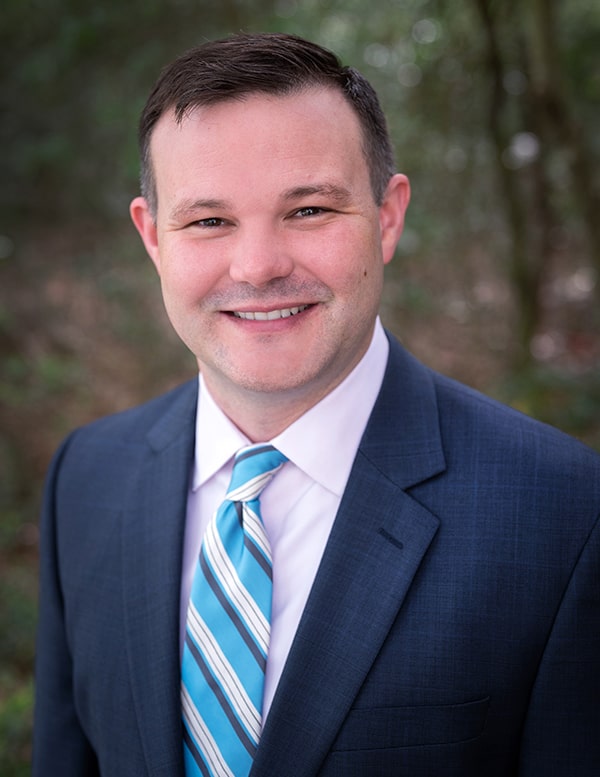
About The Author
Kenneth "Tray" Gober III, J.D., is the Managing Partner of Lee, Gober & Reyna, PLLC in Austin, Texas. A 2005 magna cum laude graduate of Texas A&M University and a cum laude graduate of Baylor Law School, Tray is admitted to the State Bars of Texas (Bar No. 24061986), Colorado, Louisiana and Pennsylvania. He is also admitted to the U.S. Supreme Court, U.S. Court of Appeals for the Fifth Circuit, U.S. District Court — Western District of Texas and U.S. District Court — Eastern District of Texas.
He represents personal injury clients across Texas in car accidents, truck accidents, autonomous vehicle claims, wrongful death, drunk driving collisions, premises liability, and product liability matters. He is one of Texas's most frequently quoted legal voices on the law surrounding autonomous vehicles and AI-driven transportation. Tray also served as an adjunct professor of Paralegal Studies at the University of Texas School of Law.