

The doctrine of respondeat superior typically applies wherever there is an employer/employee relationship.
However, it does not apply to FedEx Ground drivers. They are not considered employees, but are instead classified as independent contractors.
The company states that it does check its drivers before hiring them, but some bad apples still slip through the cracks.
Consider the case of Gubani Quinteros of Tiris Trucking, who did not stop for stalled traffic and crashed his 25,000-pound box truck into a line of cars at 70 mph. Quinteros was a third-party contractor for a FedEx subsidiary. The accident totalled six vehicles, killed three people, including a toddler, and injured seven others.
As it turned out, the trucker did not have a valid license to drive a vehicle of any kind, and his company was operating without Federal Motor Carrier Safety Administration authority.
Quinteros was sentenced to 14 years in prison. FedEx was not a part of the lawsuit, and the company distanced itself from the problem, which begs the question: if they vet their drivers, how did Quinteros manage to get a job with them? His legal record was littered with traffic violations that should have raised eyebrows for anyone hiring drivers.
While this case may represent a black hole in the law relating to respondeat superior, the final decision on whether or not FedEx should assume some responsibility or not may still come later.
Learn more, 18 wheeler truck accident lawyers
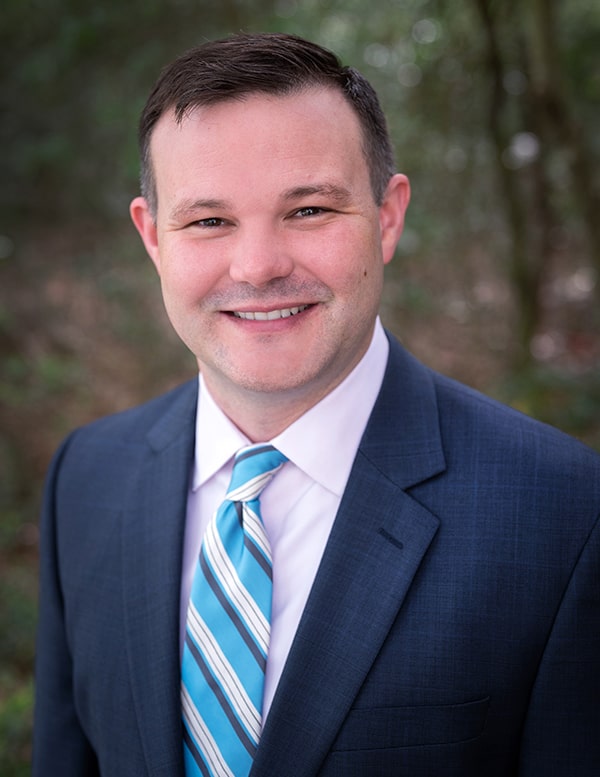
About The Author
Kenneth "Tray" Gober III, J.D., is the Managing Partner of Lee, Gober & Reyna, PLLC in Austin, Texas. A 2005 magna cum laude graduate of Texas A&M University and a cum laude graduate of Baylor Law School, Tray is admitted to the State Bars of Texas (Bar No. 24061986), Colorado, Louisiana and Pennsylvania. He is also admitted to the U.S. Supreme Court, U.S. Court of Appeals for the Fifth Circuit, U.S. District Court — Western District of Texas and U.S. District Court — Eastern District of Texas.
He represents personal injury clients across Texas in car accidents, truck accidents, autonomous vehicle claims, wrongful death, drunk driving collisions, premises liability, and product liability matters. He is one of Texas's most frequently quoted legal voices on the law surrounding autonomous vehicles and AI-driven transportation. Tray also served as an adjunct professor of Paralegal Studies at the University of Texas School of Law.