

No matter what type of legislation is in place to deal with distracted driving, it is never enough. Written words do not make drivers any safer. In fact, despite new laws, law enforcement campaigns and insurance campaigns, the death toll due to texting while driving continues to climb.
Federal statistics indicate that 3,328 people died and 421,000 sustained serious injuries in 2012 as a result of involvement in an accident where one or both drivers were driving distracted. The most common distractions were noted to be talking on a cellphone, surfing the internet, texting and eating.
These figures prompt lawmakers to put legislation in place to fine those guilty of driving distracted. But people do not think anything can happen to them personally — until it happens. They feel entitled to their freedom of choice, which includes using electronics while driving –- the same electronics that could kill them in just one moment of inattention.
When is society going to realize that the distracting e-devices in our vehicles are dangerous? Because of these gadgets, drivers pass through stop signs, wander into other lanes, abruptly attempt to correct a wobbly trajectory, lose control of their vehicles or fail to see a line of stopped cars waiting at a construction site.
Hands-free devices are little better than handheld ones. The level of cognitive distraction is the same. The possible end results are the same. Distracted drivers do not pay attention to the road because they are too busy paying attention to their gadgets. They miss threats, and a missed threat can mean serious injury or death.
Legislation will not stop drivers using cellphones and other e-devices in their vehicles. Only responsible drivers can.
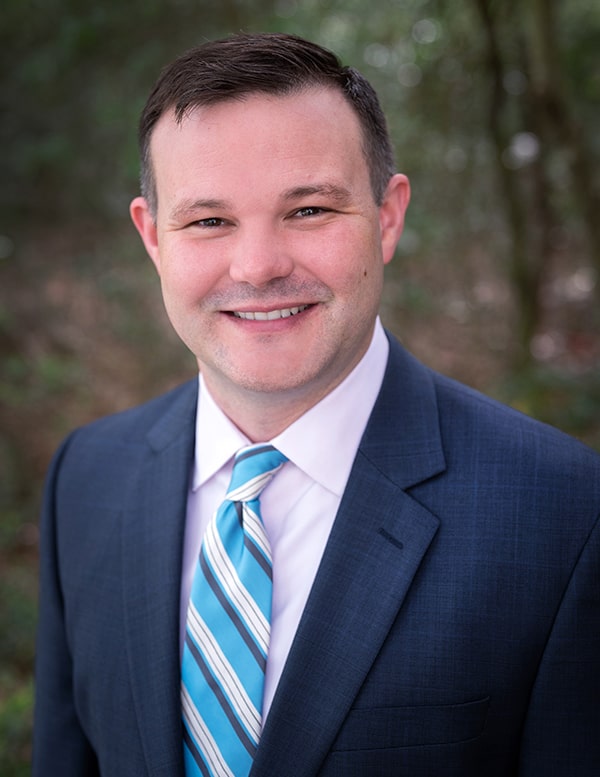
About The Author
Kenneth "Tray" Gober III, J.D., is the Managing Partner of Lee, Gober & Reyna, PLLC in Austin, Texas. A 2005 magna cum laude graduate of Texas A&M University and a cum laude graduate of Baylor Law School, Tray is admitted to the State Bars of Texas (Bar No. 24061986), Colorado, Louisiana and Pennsylvania. He is also admitted to the U.S. Supreme Court, U.S. Court of Appeals for the Fifth Circuit, U.S. District Court — Western District of Texas and U.S. District Court — Eastern District of Texas.
He represents personal injury clients across Texas in car accidents, truck accidents, autonomous vehicle claims, wrongful death, drunk driving collisions, premises liability, and product liability matters. He is one of Texas's most frequently quoted legal voices on the law surrounding autonomous vehicles and AI-driven transportation. Tray also served as an adjunct professor of Paralegal Studies at the University of Texas School of Law.