

Self-driving features that once sounded like science fiction are now on Texas roads every day. Tesla’s Autopilot and Full Self-Driving (FSD) systems, along with driver-assistance technology from nearly every major automaker, are common on I-35, MoPac, and highways across Central Texas. These systems promise added safety and convenience — but when something goes wrong at highway speed, the aftermath can be devastating, and the question of who is responsible is far more complicated than in an ordinary crash.
If you were injured in a crash involving a vehicle using Autopilot, FSD, or any automated driving feature, you are likely facing not only painful injuries but also a confusing tangle of questions: Was the driver at fault, or the technology? Can you hold the manufacturer responsible? What evidence even exists? This guide explains how liability works in self-driving and driver-assist crashes under Texas law, what compensation may be available, and the steps that protect your claim.
The technology is new, but your right to pursue fair compensation when someone else’s negligence — or a defective product — causes you harm is well established.
“Self-Driving” Is Often a Misnomer: Understanding the Levels of Automation
One of the most important things to understand is that almost no vehicle sold to consumers today is truly self-driving. Engineers and regulators describe automation on a scale from Level 0 (no automation) to Level 5 (full automation, no human needed). The National Highway Traffic Safety Administration uses this framework to classify how much a system can actually do.
Systems like Tesla Autopilot and most “self-driving” features on the market are generally considered Level 2 — advanced driver assistance. They can steer, accelerate, and brake under certain conditions, but they require the human driver to stay engaged and ready to take over at any moment. Even features marketed with names like “Full Self-Driving” still, as currently deployed, require an attentive driver behind the wheel.
This distinction matters enormously for liability. When a system is designed to assist rather than replace the driver, a driver who stops paying attention, relies too heavily on the technology, or misuses it may bear significant responsibility for a resulting crash. At the same time, if the technology malfunctioned or was marketed in a misleading way, responsibility may shift toward the manufacturer.
KEY TAKEAWAY
Most “self-driving” vehicles on Texas roads today, including those using Tesla Autopilot, are Level 2 driver-assistance systems — they require an attentive human driver at all times. That means a crash often involves shared questions of driver attention and technology performance. Understanding which system was in use, and what it was designed to do, is the starting point for any autonomous car accident claim.
Who Can Be Held Liable in a Self-Driving Car Crash
Because automated-driving crashes sit at the intersection of human behavior and complex technology, more than one party may share responsibility. Identifying every potentially liable party is one of the most important parts of these cases, and it often requires technical investigation.
The driver of the automated vehicle. If the person behind the wheel was distracted, over-relied on the system, ignored warnings to take control, or otherwise used the technology unsafely, they may be liable just as in a conventional car accident. Treating a Level 2 system as if it were fully autonomous is itself a form of negligence.
The vehicle or software manufacturer. When a crash results from a defect in how the automated system was designed, built, or marketed, the manufacturer may be liable under product liability law. This can include sensors that failed to detect a hazard, software that made an unsafe decision, or marketing that overstated the system’s capabilities.
Another negligent driver. Sometimes the automated vehicle is the victim. A third party who ran a red light, changed lanes unsafely, or drove distracted can be the responsible party, and the existence of automation does not change their liability.
A component supplier or maintenance provider. Cameras, radar, lidar, and braking components are often made by third parties, and improper repairs or software updates can introduce new risks.
Sorting out these overlapping roles is rarely straightforward, and manufacturers have significant legal resources. That is one reason it helps to have an attorney who understands both distracted driving principles and product liability working on your side early.
KEY TAKEAWAY
Liability in a self-driving crash may rest with the driver who misused the technology, the manufacturer of a defective system, another negligent driver, or a parts supplier — and sometimes more than one at once. Pinning down responsibility requires technical investigation and preservation of vehicle data. An experienced autonomous vehicle accident attorney can identify every party whose negligence or defective product contributed to your injuries.
When the Technology Fails: Product Liability Under Texas Law
If a crash was caused by something wrong with the vehicle’s automated system itself, your claim may fall under Texas product liability law. Texas product liability rules are found in Chapter 82 of the Texas Civil Practice and Remedies Code, and they generally recognize three kinds of defects:
Design defects exist when the system was unreasonably dangerous as designed — for example, automation that cannot reliably detect stationary obstacles or that hands control back to the driver too abruptly to be safe.
Manufacturing defects occur when a particular vehicle or component was built incorrectly, so it differs from the intended, safer design.
Marketing defects (failure to warn) arise when a manufacturer fails to adequately warn users of risks or overstates what the technology can safely do, leading drivers to rely on it in ways that cause harm.
Product liability cases are document- and expert-intensive. They often require engineers, accident reconstruction specialists, and access to the manufacturer’s own data and testing records. When a defect is established, however, these claims can reach beyond a single driver’s insurance policy to a manufacturer with far greater resources — which matters when injuries are severe. For background on how these claims work in our state, see our guide to Texas product liability claims, and learn how a defective product claim may apply to your situation.
KEY TAKEAWAY
When a self-driving system causes a crash because of a design, manufacturing, or marketing defect, Texas product liability law may allow a claim against the manufacturer. These cases require technical evidence and expert analysis, but they can reach a manufacturer’s resources rather than being capped by one driver’s insurance — an important difference in serious-injury cases. Preserving the vehicle and its data is essential to proving a defective product claim.
Texas Law and Automated Vehicles
Texas has been comparatively welcoming to automated-vehicle testing and deployment. State law addresses automated motor vehicles in Chapter 545 of the Texas Transportation Code, which sets out certain requirements for vehicles operating without a human driver, including insurance and the recording of information about the automated driving system. As the technology and the law continue to evolve, these provisions can affect how responsibility is assigned after a crash.
What has not changed is the foundation of Texas injury law: a person or company whose negligence or defective product causes harm can be held accountable. Whether your case is framed as ordinary negligence, product liability, or both depends on the specific facts — and on a careful investigation of what the vehicle and its driver were actually doing in the moments before the crash. Our look at the broader picture in examining autonomous car accidents and statistics provides helpful context on how these crashes happen, and our discussion of whether driverless cars are a boon or a bust explores the trade-offs.
Proving a Self-Driving Crash Claim: The Critical Role of Data
Automated vehicles generate an extraordinary amount of data, and that data is often the key to proving what happened. Modern vehicles record information through event data recorders (“black boxes”), and automated systems can log steering, braking, acceleration, sensor inputs, driver-engagement warnings, and whether the automation was active at the moment of impact. Manufacturers also collect telematics data remotely.
This evidence is powerful, but it is also controlled largely by the manufacturer and can be overwritten, lost, or withheld. After a serious crash, your attorney should move quickly to send preservation (spoliation) demands, secure the vehicle before it is repaired or salvaged, and pursue the automated-driving data through formal channels. Federal reporting requirements, including NHTSA’s standing order requiring manufacturers to report certain crashes involving driver-assistance and automated systems, can also be a source of important information.
Because so much of the proof lives in data that fades or sits in a manufacturer’s hands, timing is everything. The sooner an investigation begins, the better your chances of preserving what your claim depends on.
KEY TAKEAWAY
Self-driving crashes are often won or lost on data — black box records, automation logs, sensor inputs, and manufacturer telematics that show whether the system was engaged and what it did. This evidence is controlled by the manufacturer and can disappear quickly. Acting fast to preserve the vehicle and demand its data is critical to protecting your autonomous car accident claim.
Compensation, Fault, and Deadlines in Texas
The categories of compensation in a self-driving crash are the same ones Texas law recognizes in other serious injury cases. Economic damages cover medical bills, future medical care, lost income, and reduced earning capacity. Non-economic damages cover pain, suffering, and the impact on your life. In cases involving especially reckless conduct, punitive damages may be available, though every case is different and no result can be guaranteed. When the harm is life-altering, valuing catastrophic injuries correctly often requires medical and economic experts.
Texas follows a modified comparative negligence rule, so your compensation may be reduced by your percentage of fault, and being found more than 50% at fault can bar recovery. In self-driving cases, expect manufacturers and insurers to argue that the human driver — possibly even you — bears the blame. How the facts and data are documented early can significantly affect that analysis. If you were not at fault, our overview of the legal rights of victims in not-at-fault car accidents may help.
Finally, timing is limited by law. In Texas, the statute of limitations for most personal injury claims is generally two years from the date of the accident under Texas Civil Practice and Remedies Code Section 16.003. Given how much investigation these cases require, waiting is rarely in your interest.
How LGR Law Firm Helps Self-Driving Crash Victims
At LGR Law Firm, we represent injured people in Austin and across Central Texas, and we take on the well-funded insurers and manufacturers that defend these cases. In a self-driving or driver-assist crash, that work can include moving quickly to preserve the vehicle and its data, retaining accident reconstruction and automotive-technology experts, determining whether the crash was driven by human error, a product defect, or both, identifying every responsible party and source of insurance, accurately valuing your injuries and future needs, and negotiating aggressively for a fair recovery. When a fair settlement is not on the table, LGR is prepared to take a case to trial.
Two things matter to most people we talk to: the initial consultation is free and carries no obligation, and personal injury cases are typically handled on a contingency basis, which generally means you do not pay attorney’s fees unless we recover for you. You should not have to take on a car company alone.
If you were injured in a crash involving Autopilot, Full Self-Driving, or any automated driving system in Texas, you can contact LGR Law Firm for a free, no-obligation consultation at (512) 800-8000.
Frequently Asked Questions
If the car was driving itself, can the driver still be at fault?
Usually, yes. Most systems marketed as “self-driving” today, including Tesla Autopilot, are Level 2 driver-assistance features that require the human driver to stay engaged and ready to take over. A driver who becomes distracted, over-relies on the technology, or ignores the system’s warnings to take control may be held responsible for a resulting crash. Treating an assistance system as if it were fully autonomous can itself be negligence. Whether and how much the driver is at fault depends on the facts, the vehicle’s data, and what the system was designed to do.
Can I sue Tesla or another manufacturer after a self-driving crash?
Possibly. If a crash was caused by a defect in how the automated system was designed, built, or marketed, you may have a product liability claim under Texas law against the manufacturer. These claims require technical evidence — engineering analysis, vehicle data, and testing records — and manufacturers defend them aggressively. They can, however, reach resources beyond a single driver’s insurance policy, which can matter in serious-injury cases. An attorney can evaluate whether a product liability claim fits your situation after reviewing the available evidence.
What evidence matters most in an autonomous vehicle accident case?
Data is often the key. Vehicles record information through event data recorders and automated-system logs that can show whether the automation was engaged, what the sensors detected, how the system responded, and whether the driver was warned to take control. Manufacturers also collect telematics remotely. Because this data is largely controlled by the manufacturer and can be overwritten or lost, it is important to preserve the vehicle and demand the data quickly. Photographs, the police report, witness statements, and medical records remain important as well.
Is it legal to operate a self-driving car in Texas?
Texas law addresses automated motor vehicles in Chapter 545 of the Transportation Code and has generally permitted their operation and testing, subject to certain requirements such as insurance and recording information about the automated driving system. Legality, however, does not eliminate responsibility. If a driver misuses the technology or a manufacturer sells a defective system, they can still be held accountable when someone is injured. The legal framework continues to evolve as the technology develops.
How is a self-driving crash claim different from a regular car accident claim?
The biggest differences are complexity and the parties involved. A conventional crash usually centers on driver negligence, while a self-driving crash may involve driver negligence, a product defect, or both — bringing manufacturers and their experts into the picture. These cases tend to rely heavily on technical data and expert analysis, require fast evidence preservation, and face better-funded opposition. The underlying goal is the same: proving who was responsible and recovering fair compensation for your injuries.
How long do I have to file a claim after a self-driving car accident in Texas?
In Texas, most personal injury claims must generally be filed within two years of the date of the accident, though specific circumstances can affect deadlines. Because self-driving crash cases require extensive investigation and time-sensitive preservation of vehicle data, you should act well before that deadline. Consulting an attorney promptly helps ensure critical evidence is preserved and your options are protected.
This information is for educational purposes and does not constitute legal advice. Every case is unique — contact our office for a free consultation about your specific situation. Past results do not guarantee future outcomes.
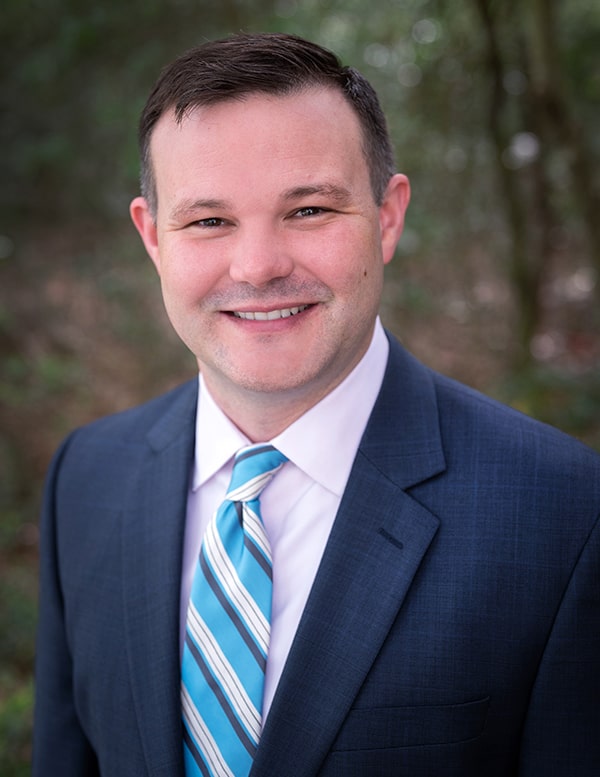
About The Author
Kenneth "Tray" Gober III, J.D., is the Managing Partner of Lee, Gober & Reyna, PLLC in Austin, Texas. A 2005 magna cum laude graduate of Texas A&M University and a cum laude graduate of Baylor Law School, Tray is admitted to the State Bars of Texas (Bar No. 24061986), Colorado, Louisiana and Pennsylvania. He is also admitted to the U.S. Supreme Court, U.S. Court of Appeals for the Fifth Circuit, U.S. District Court — Western District of Texas and U.S. District Court — Eastern District of Texas.
He represents personal injury clients across Texas in car accidents, truck accidents, autonomous vehicle claims, wrongful death, drunk driving collisions, premises liability, and product liability matters. He is one of Texas's most frequently quoted legal voices on the law surrounding autonomous vehicles and AI-driven transportation. Tray also served as an adjunct professor of Paralegal Studies at the University of Texas School of Law.