

Rideshare and delivery apps are everywhere in Austin. On any given night, thousands of Uber, Lyft, and DoorDash drivers are moving across I-35, downtown, and the neighborhoods in between. That convenience comes with a hard reality: when one of those vehicles is involved in a crash, figuring out who pays — and how much — is far more complicated than in an ordinary car accident.
If you were hurt in a crash involving a rideshare or delivery driver — whether you were a passenger, another motorist, a cyclist, or a pedestrian — you may be facing multiple insurance companies, conflicting stories about who was “on the app,” and a great deal of uncertainty. This guide explains how rideshare insurance actually works in Texas, who can be held responsible, and how to protect the value of your claim.
The encouraging part: these claims often involve substantially more insurance coverage than a typical fender-bender. The challenge is knowing how to access it.
Why Rideshare Crashes Are More Complicated Than Ordinary Accidents
In a standard two-car crash, there are usually two drivers and two insurance policies. A rideshare crash can involve the rideshare driver’s personal insurer, the rideshare company’s commercial coverage, another driver’s insurer, and sometimes your own policy — all at once. Each company has an incentive to point at the others, and the coverage that applies can hinge on a single detail: exactly what the driver was doing in the app at the moment of the crash.
That is why two rideshare crashes that look identical on the road can have completely different insurance outcomes. Understanding the “phases” of rideshare coverage is the key to the whole picture, and it is where an experienced Austin rideshare accident attorney starts.
The Three Insurance Phases of a Rideshare Trip
Texas regulates transportation network companies (TNCs) like Uber and Lyft under Chapter 2402 of the Texas Occupations Code, which sets minimum insurance requirements that change depending on the driver’s status in the app:
Phase 0 — App off. The driver is not logged in and is driving for personal reasons. Only their personal auto insurance applies, just like any other driver.
Phase 1 — App on, waiting for a request. The driver is logged in and available but has not accepted a ride. Lower “contingent” coverage limits typically apply during this window.
Phase 2 and 3 — En route to a rider or carrying a passenger. Once the driver accepts a trip and is on the way to pick up, or has a passenger in the car, the rideshare company’s larger commercial policy generally applies — commonly up to $1 million in liability coverage during the ride.
Which phase the driver was in can dramatically change how much coverage is available to you. Because that status lives in the app’s data, preserving and obtaining those records quickly is one of the most important early steps in a rideshare claim.
KEY TAKEAWAY
Rideshare insurance coverage depends on what the driver was doing in the app at the moment of the crash. When a driver is en route to or carrying a passenger, a commercial policy of up to roughly $1 million may apply; when the app is off, only personal insurance does. Determining the driver’s app status — using data that must be requested promptly — is central to any rideshare accident claim.
Who Can Be Held Liable in a Rideshare Crash
Identifying every responsible party is what makes the difference between a recovery limited to one small policy and one that reflects what you actually lost. Potentially liable parties include:
The rideshare or delivery driver. If the driver was negligent — speeding, distracted by the app, running a light — they are responsible, and the applicable insurance depends on their app phase.
The rideshare company’s insurer. During active trips, the company’s commercial coverage typically applies, which is why these claims can access far higher limits than personal policies.
Another negligent driver. Sometimes the rideshare vehicle is the victim. A third driver who caused the crash — and their insurer — may be the primary source of recovery, whether you were a passenger or in another vehicle.
Your own insurance. If the at-fault driver was uninsured or underinsured, your own uninsured/underinsured motorist (UM/UIM) coverage may help fill the gap — even when you were a passenger in someone else’s car.
KEY TAKEAWAY
A rideshare crash can involve several insurers at once — the driver’s personal policy, the rideshare company’s commercial policy, another driver’s insurer, and your own UM/UIM coverage. Each tends to point at the others. Identifying every responsible party and every applicable policy is how you reach a full recovery rather than settling against the smallest available limit.
Your Situation: Passenger, Other Driver, Cyclist, or Pedestrian
How your claim unfolds depends in part on your role in the crash. Passengers are almost never at fault and can typically pursue whichever driver was responsible, with access to the rideshare company’s coverage during an active trip. Other drivers hit by a rideshare vehicle pursue the at-fault driver and the applicable policy for that phase. Cyclists and pedestrians struck by a rideshare or delivery vehicle often suffer the most serious harm and may have claims against the driver and the company’s coverage. In the most severe cases, valuing catastrophic injuries correctly is essential, because future care and lost earning capacity must be accounted for.
Food Delivery Crashes: DoorDash, Uber Eats, and Others
Delivery-app crashes follow similar principles but with their own wrinkles. Coverage and policy structures vary by company, and disputes often arise over whether the driver was actively on a delivery at the time. The same phase-based logic generally applies, and the same early step matters most: securing the app data that establishes the driver’s status. Our DoorDash accident settlement guide covers this in more detail, and our look at who is liable in an accident with Uber explains the liability picture.
How Texas Fault Rules and Deadlines Apply
Texas follows a modified comparative negligence rule under Chapter 33 of the Texas Civil Practice and Remedies Code: your recovery may be reduced by your share of fault, and being found more than 50% at fault can bar recovery. In rideshare cases, expect the various insurers to try to shift blame among themselves and onto you.
Timing also matters. Under Texas Civil Practice and Remedies Code Section 16.003, the statute of limitations for most personal injury claims is generally two years from the crash. Because rideshare claims depend on app data and multiple insurers, the sooner the investigation begins, the better. For the bigger picture on how these claims proceed, see our overview of the personal injury claim process in Austin.
Steps to Protect Your Rideshare Accident Claim
Report the crash in the app and to police. An official record and an in-app report both help establish what happened and the driver’s status.
Screenshot everything. If you were the passenger, capture your trip details, driver information, and the ride status in the app before that information disappears.
Get medical care right away and follow through, even if injuries seem minor at first.
Do not give a recorded statement to any of the insurers before getting advice, and do not accept a quick settlement.
Talk to a lawyer early so the app data and coverage information can be preserved and pursued.
KEY TAKEAWAY
In a rideshare crash, the trip and app data are critical evidence — and they can disappear. Report the crash in-app and to police, screenshot your trip details immediately, get prompt medical care, avoid recorded statements and quick settlements, and involve a lawyer early so the right insurers and coverage can be identified and preserved.
How LGR Law Firm Helps Rideshare Accident Victims
At LGR Law Firm, we represent injured people in Austin and across Central Texas, and we untangle exactly the kind of multi-insurer disputes that rideshare crashes create. That work can include determining the driver’s app phase and the coverage it triggers, identifying every liable party and policy, dealing with the multiple insurers so you do not have to, accurately valuing your injuries and future needs, and negotiating aggressively for a full recovery. When an insurer refuses to be fair, LGR is prepared to take the case to trial.
Two things matter to most people we talk to: the initial consultation is free and carries no obligation, and personal injury cases are typically handled on a contingency basis, which generally means you do not pay attorney’s fees unless we recover for you. If you were injured in an Uber, Lyft, or delivery-app crash, you can contact LGR Law Firm for a free, no-obligation consultation at (512) 800-8000.
Frequently Asked Questions
Who pays if I’m hurt as an Uber or Lyft passenger in Austin?
As a passenger, you are almost never at fault, so you can typically pursue whichever driver caused the crash. If your rideshare driver was at fault during an active trip, the rideshare company’s commercial coverage — often up to roughly $1 million — generally applies. If another driver caused the crash, their insurance is the first source, and the rideshare company’s uninsured/underinsured coverage may apply if that driver lacks adequate insurance. Determining the driver’s app status is key, which is why preserving trip data early matters.
How much insurance coverage applies to a rideshare accident?
It depends on the driver’s status in the app. When a driver is en route to a rider or has a passenger, Texas law and company policies generally provide commercial coverage commonly up to $1 million. When the app is on but no ride has been accepted, lower contingent limits usually apply. When the app is off, only the driver’s personal insurance applies. Because the available coverage can change so dramatically by phase, establishing what the driver was doing at the moment of the crash is critical.
Does rideshare insurance cover delivery drivers like DoorDash?
Delivery-app crashes follow similar phase-based principles, but coverage structures vary by company and disputes often arise over whether the driver was actively on a delivery. Some situations involve the delivery company’s commercial coverage, while others may fall to the driver’s personal policy. Because the details differ and the app data is decisive, it is worth having the specific facts reviewed to determine which policies apply to your situation.
What if the rideshare driver wasn’t technically “on a trip”?
This is one of the most contested issues in rideshare claims. If the app was off, generally only the driver’s personal insurance applies. If the app was on but no ride had been accepted, lower contingent coverage usually applies. If a ride had been accepted or a passenger was aboard, the larger commercial policy generally applies. Because the driver’s exact status determines the coverage, obtaining the app and trip data quickly is essential to proving which policy should respond.
How long do I have to file a rideshare accident claim in Texas?
In Texas, most personal injury claims must generally be filed within two years of the date of the crash, though specific circumstances can affect deadlines. Rideshare claims especially benefit from early action because they depend on app data and involve multiple insurers who may dispute coverage. Acting promptly helps preserve the evidence and protects your options.
Should I accept the settlement the rideshare company’s insurer offered?
Be cautious. As with any insurer, an early offer is often lower than the full value of your claim and may arrive before your injuries are fully understood. Once you sign a release, you generally cannot seek more later. It is usually wise to have an attorney review any offer first, especially in rideshare cases where multiple policies may provide additional coverage that an early offer does not reflect.
This information is for educational purposes and does not constitute legal advice. Every case is unique — contact our office for a free consultation about your specific situation. Past results do not guarantee future outcomes.
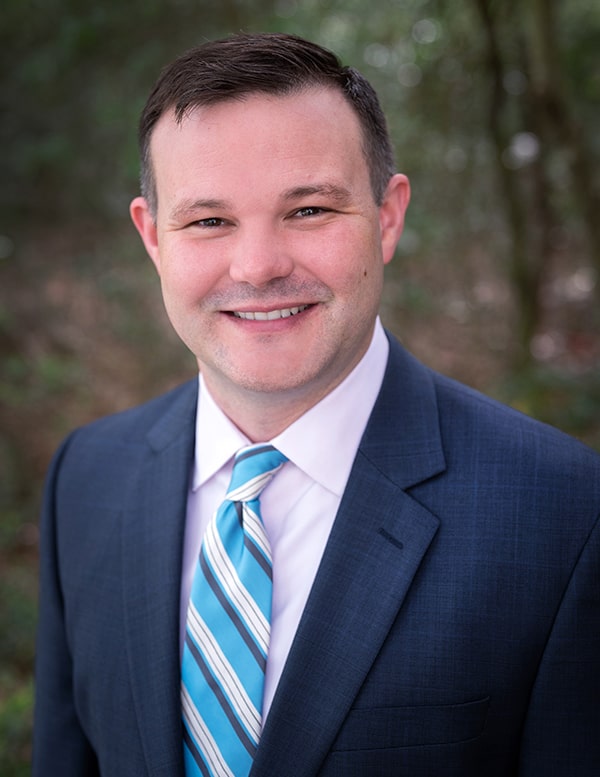
About The Author
Kenneth "Tray" Gober III, J.D., is the Managing Partner of Lee, Gober & Reyna, PLLC in Austin, Texas. A 2005 magna cum laude graduate of Texas A&M University and a cum laude graduate of Baylor Law School, Tray is admitted to the State Bars of Texas (Bar No. 24061986), Colorado, Louisiana and Pennsylvania. He is also admitted to the U.S. Supreme Court, U.S. Court of Appeals for the Fifth Circuit, U.S. District Court — Western District of Texas and U.S. District Court — Eastern District of Texas.
He represents personal injury clients across Texas in car accidents, truck accidents, autonomous vehicle claims, wrongful death, drunk driving collisions, premises liability, and product liability matters. He is one of Texas's most frequently quoted legal voices on the law surrounding autonomous vehicles and AI-driven transportation. Tray also served as an adjunct professor of Paralegal Studies at the University of Texas School of Law.