

When Austin schools return in August, the rhythm of the morning and afternoon commute changes overnight. Children walk to school and to bus stops, school buses make frequent stops, crossing guards appear at busy intersections, and traffic backs up around campuses. Unfortunately, this is also when pedestrian crashes — especially those involving children — tend to rise. A distracted or impatient driver in a school zone can change a family’s life in an instant.
If your child or a loved one was struck by a vehicle in or near an Austin school zone, you are likely frightened, angry, and unsure of what to do next. This guide explains the duties Texas drivers owe near schools, who may be held responsible when a pedestrian is hurt, and the rights of injured pedestrians and their families — with special attention to the unique considerations when the victim is a child.
Nothing here replaces talking through your specific situation, but understanding your rights is the first step toward protecting them.
Why Back-to-School Season Raises Pedestrian Risk
Several factors converge at the start of the school year. There are simply more children on foot — walking to school, waiting at bus stops, and crossing busy streets, often at predictable morning and afternoon peaks. Drivers adjusting to new routines may speed through school zones, roll through crosswalks, or look at their phones. And children, by nature, are less predictable and harder to see than adult pedestrians.
Austin’s mix of busy arterials near campuses, heavy commuter traffic, and growing neighborhoods compounds the risk. The result is a seasonal spike in exactly the kind of crashes that cause the most serious harm — because a pedestrian, and especially a child, has no protection against a moving vehicle.
What Texas Law Requires of Drivers Near Schools
Texas law imposes heightened duties on drivers around schools and pedestrians. The pedestrian provisions of the Texas Transportation Code require drivers to yield to pedestrians in crosswalks and exercise due care to avoid hitting anyone on foot. In marked school zones, reduced speed limits apply during posted hours, and Texas law restricts the use of handheld phones while driving through an active school zone.
Drivers must also stop for school buses that are loading or unloading children when the bus’s red lights are flashing and its stop arm is extended. Passing a stopped school bus in these circumstances is both illegal and one of the most dangerous things a driver can do. When a driver violates one of these specific safety rules and injures a pedestrian, that violation can be powerful evidence of negligence.
KEY TAKEAWAY
Texas drivers owe heightened duties near schools: yielding to pedestrians in crosswalks, obeying reduced school-zone speed limits, avoiding handheld phone use in active school zones, and stopping for school buses with flashing red lights. When a driver breaks one of these rules and injures a pedestrian, that violation can establish negligence in a pedestrian accident claim.
Who Can Be Held Liable When a Pedestrian Is Hurt
The at-fault driver is usually the primary responsible party, but a thorough investigation sometimes reveals others who share responsibility:
The driver who was speeding, distracted, failed to yield, or illegally passed a school bus.
An employer, if the driver was working at the time of the crash.
A government entity or contractor, in limited circumstances, if a dangerous crossing, missing signage, malfunctioning signal, or poorly designed school zone contributed to the crash. Claims against governmental entities involve special rules and short notice deadlines, so they require prompt attention.
Identifying every responsible party matters because it can expand the compensation available to an injured pedestrian — particularly important given how severe these injuries tend to be. Cyclists struck near schools face similar issues, which we cover in our guide to your rights after a bicycle accident.
KEY TAKEAWAY
Liability for a school-zone pedestrian crash usually rests with the at-fault driver, but may also extend to an employer or, in limited cases, a government entity responsible for a dangerous crossing or signal. Claims against governmental entities carry short notice deadlines, so a prompt investigation is essential to identify every responsible party and protect the claim.
Special Considerations When the Victim Is a Child
Cases involving injured children carry unique legal and practical dimensions. Children’s injuries can have lifelong consequences, and valuing them requires looking decades ahead — future medical care, therapy, and lost earning capacity. The most severe cases may involve catastrophic injuries such as traumatic brain or spinal cord injuries, and in the worst cases families are left pursuing a wrongful death claim.
Texas law also treats children differently when it comes to fault and deadlines. Young children are generally held to a far lower standard of care than adults, so blaming a child for “darting out” is rarely as effective as insurers hope. And critically, the statute of limitations for a minor’s own injury claim is generally tolled — meaning the two-year clock often does not begin to run until the child turns 18, though related claims by parents can have different deadlines. These nuances are fact-specific and worth confirming with an attorney early.
KEY TAKEAWAY
When a child is injured, the stakes and the rules both change: injuries must be valued across a lifetime, young children are held to a much lower standard of care, and a minor’s own claim deadline is often delayed until adulthood. Because parents’ related claims may follow different deadlines, it is important to confirm how the timelines apply to your family’s situation.
Compensation Available to Injured Pedestrians
Texas law recognizes economic damages (medical bills, future care, rehabilitation, lost income and earning capacity), non-economic damages (pain, suffering, disfigurement, and loss of enjoyment of life), and, in cases of especially reckless conduct, punitive damages. Pedestrian crashes frequently produce severe, lasting injuries, which makes accurate valuation — often with the help of medical and economic experts — especially important. No honest attorney can promise a specific amount; the value depends on the facts of each case.
How Texas Fault Rules and Deadlines Apply
Texas uses a modified comparative negligence rule, so a pedestrian’s recovery may be reduced by any share of fault assigned to them, and being found more than 50% at fault can bar recovery. Insurers often try to blame pedestrians for crossing outside a crosswalk or “appearing suddenly,” which is one reason careful documentation matters. For adults, the statute of limitations is generally two years from the crash under Texas Civil Practice and Remedies Code Section 16.003; for injured minors, as noted above, the deadline is often delayed. National data on the scope of the problem is available from NHTSA’s pedestrian safety resources.
What to Do After a School-Zone Pedestrian Crash
Call 911 and get immediate medical care. Some injuries, especially head injuries in children, are not obvious right away.
Document the scene if you safely can — the location, signage, crosswalk, vehicle, and conditions.
Get witness information. School-zone crashes often have witnesses — other parents, crossing guards, school staff.
Be careful with insurers. Do not give a recorded statement or accept a quick settlement before getting advice.
Talk to a lawyer promptly, especially if a government entity may be involved, because of the short notice deadlines. Our overview of your legal rights after a pedestrian or bicycle accident in Austin goes further, and for crashes involving young or new drivers, see our teen driver safety and legal guide.
How LGR Law Firm Helps Injured Pedestrians and Families
At LGR Law Firm, we represent injured pedestrians and families across Austin and Central Texas, including the heartbreaking cases involving children. Our work can include investigating the crash and the school zone, identifying every responsible party (including any government entity, with attention to short notice deadlines), working with medical providers, valuing lifelong injuries with the help of experts, handling the insurance companies, and negotiating aggressively for a full recovery. When an insurer will not be fair, LGR is prepared to take the case to trial.
The initial consultation is free and carries no obligation, and personal injury cases are typically handled on a contingency basis, which generally means you do not pay attorney’s fees unless we recover for you. If your child or loved one was hurt in a pedestrian or school-zone crash, you can contact LGR Law Firm for a free, no-obligation consultation at (512) 800-8000.
Frequently Asked Questions
What should I do first if my child was hit by a car near school?
Call 911 and get immediate medical attention, even if your child seems okay — some injuries, particularly head injuries, are not obvious at first. If you can do so safely, document the scene, the crosswalk and signage, the vehicle, and the conditions, and gather contact information for any witnesses such as other parents, crossing guards, or school staff. Avoid giving a recorded statement to the driver’s insurer and do not accept a quick settlement before getting advice. Because cases involving children and potential government liability have special rules, contacting an attorney promptly helps protect your child’s claim.
Who is liable if a driver hits a pedestrian in a school zone?
Usually the at-fault driver, especially if they were speeding, distracted, failed to yield in a crosswalk, or illegally passed a stopped school bus. Depending on the facts, an employer may share responsibility if the driver was working, and in limited cases a government entity or contractor may be responsible if a dangerous crossing, missing signage, or malfunctioning signal contributed to the crash. Identifying every responsible party requires investigation, and claims against government entities carry short notice deadlines, so prompt action matters.
Can my child be blamed for the accident?
Insurers sometimes try, but Texas generally holds young children to a much lower standard of care than adults, recognizing that children are less able to judge traffic and danger. That makes “the child darted out” arguments far less effective than insurers hope. While Texas uses a modified comparative negligence rule that can reduce recovery by a victim’s share of fault, the way fault is assessed for a child is very different from an adult. An attorney can push back against unfair attempts to blame an injured child.
How long do we have to file a claim for an injured child in Texas?
For most adult personal injury claims, the deadline is generally two years from the crash. For a minor’s own injury claim, the statute of limitations is generally tolled, meaning the two-year clock often does not begin until the child turns 18. However, related claims brought by parents — such as for a child’s medical expenses — can follow different, shorter deadlines. Because these timelines are fact-specific and easy to misjudge, it is important to confirm how they apply to your family as early as possible.
What compensation is available for a pedestrian injury?
Texas law allows recovery of economic damages such as medical bills, future care, rehabilitation, and lost earning capacity; non-economic damages such as pain, suffering, disfigurement, and loss of enjoyment of life; and, in cases of especially reckless conduct, punitive damages. Pedestrian crashes often cause severe, lasting injuries, so accurate valuation — frequently with medical and economic experts — is important. No one can promise a specific amount, because the value depends on the facts of each case.
What if a school bus was involved in the crash?
Crashes involving school buses can raise additional considerations, including the duties of other drivers to stop for a bus with flashing red lights and an extended stop arm, and potentially the responsibilities of the bus operator or the entity that runs the bus service. Because a school bus may be operated by a school district or a contractor, governmental-entity rules and short notice deadlines can apply. These cases benefit from prompt investigation to preserve evidence and identify all responsible parties.
This information is for educational purposes and does not constitute legal advice. Every case is unique — contact our office for a free consultation about your specific situation. Past results do not guarantee future outcomes.
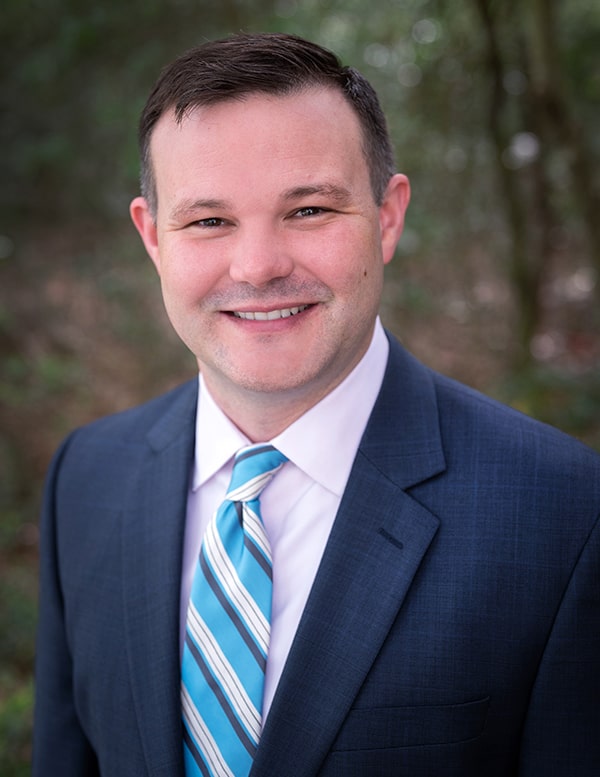
About The Author
Kenneth "Tray" Gober III, J.D., is the Managing Partner of Lee, Gober & Reyna, PLLC in Austin, Texas. A 2005 magna cum laude graduate of Texas A&M University and a cum laude graduate of Baylor Law School, Tray is admitted to the State Bars of Texas (Bar No. 24061986), Colorado, Louisiana and Pennsylvania. He is also admitted to the U.S. Supreme Court, U.S. Court of Appeals for the Fifth Circuit, U.S. District Court — Western District of Texas and U.S. District Court — Eastern District of Texas.
He represents personal injury clients across Texas in car accidents, truck accidents, autonomous vehicle claims, wrongful death, drunk driving collisions, premises liability, and product liability matters. He is one of Texas's most frequently quoted legal voices on the law surrounding autonomous vehicles and AI-driven transportation. Tray also served as an adjunct professor of Paralegal Studies at the University of Texas School of Law.